
Can employers drug test for weed in Connecticut? (Connecticut marijuana testing law)

Connecticut employers can still test in many cases, but since July 1, 2022, most non-exempt employers cannot penalize off-duty cannabis use or rely on a positive THC test unless they have an established written policy allowing it. Exempt employers and positions, including many safety-sensitive and federally regulated jobs, can still restrict use as before.
- Applicant THC testing
- Allowed; non-exempt employers need an established written policy to act on a positive THC test
- Off-duty adult use
- Protected for non-exempt jobs unless the employer issues a policy, since July 1, 2022
- Medical patients
- Employers cannot refuse to hire solely because of qualifying-patient status
- Main exceptions
- Exempt industries and positions (e.g., firefighters, EMTs, police, CDL drivers, child or patient care, federally funded jobs); federal contracts or funding; collective bargaining agreements
- Law
- Conn. Gen. Stat. §21a-422p et seq. (2021 adult-use cannabis law)
Based on legal summaries of the statute. Checked November 17, 2026. General information, not legal advice. Federal and DOT rules override state law for regulated jobs.
What the law says
Connecticut's 2021 adult-use cannabis law includes workplace rules that took effect July 1, 2022, according to law firms Wiggin and Dana and Jackson Lewis. The state's official cannabis information portal says non-exempt employers may prohibit off-duty use only if they issue a policy prohibiting cannabis use, while exempt employers can regulate off-duty use to the same extent as before the law.
Pre-employment tests
According to the state portal, an employer generally cannot refuse to hire a prospective employee for cannabis use outside the workplace before hiring, with four exceptions:
- hiring would violate a federal contract or cause the loss of federal funding;
- the candidate has a conditional offer and the employer acts under an established written policy on positive tests for recent cannabis use that was made available to the candidate;
- the position is an "exempt employee" position under Conn. Gen. Stat. §21a-422p;
- a valid collective bargaining agreement addresses drug testing or hiring conditions.
The portal also says an employer may base an adverse employment action on a positive THC test under an established policy. Wiggin and Dana notes a possible tension between the protection for pre-employment use and the conditional-offer exception.
Exempt employers and positions
Wiggin and Dana lists exempt industries including mining, utilities, construction, transportation and delivery, educational services, health care and social services, and public safety. Exempt positions include firefighters, EMTs, police and peace officers, jobs requiring federally mandated drug testing such as commercial driving, jobs supervising or caring for children, medical patients, or vulnerable persons, federally funded positions, and jobs the employer determines could adversely affect health or safety.
Medical marijuana patients
The state portal says an employer cannot refuse to hire a person solely because of their status as a qualifying patient certified by a practitioner.
What employers can still do
Employers can maintain a drug-free workplace. According to Jackson Lewis, they may act on reasonable suspicion of cannabis use while working or on call, or when an employee shows specific, articulable symptoms of drug impairment that decrease job performance. Individuals may sue over violations, although employers have certain defenses.
Home tests for this
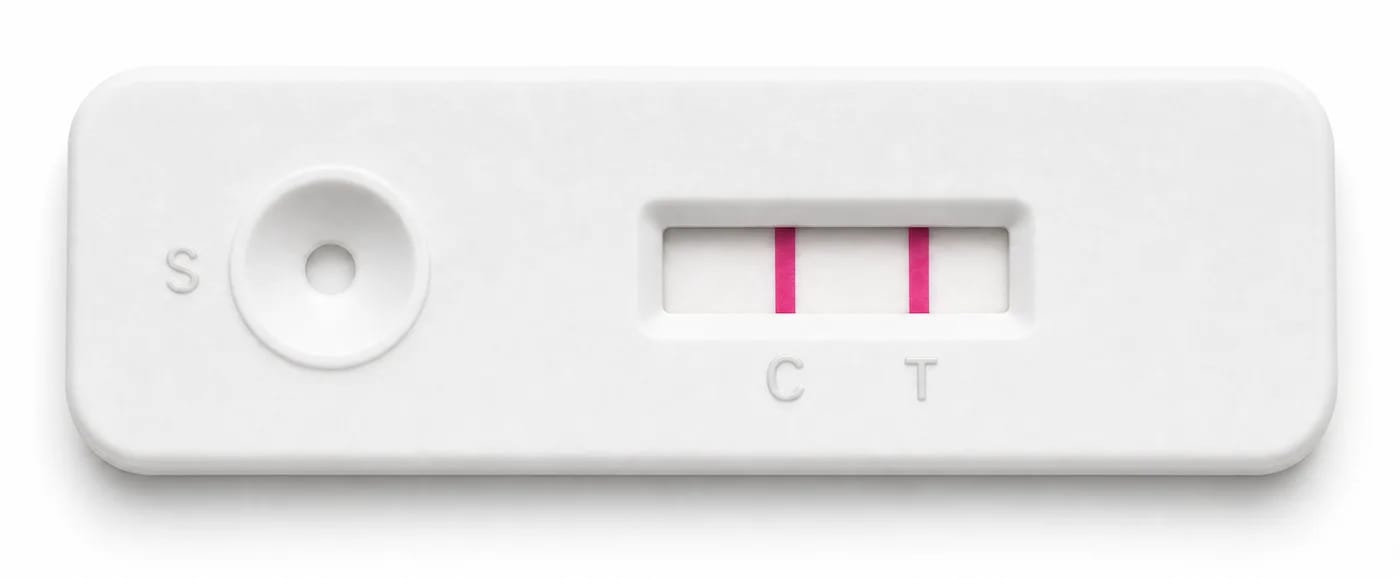
Exploro THC Urine Test, 15 strips
Best for: Checking every few days before a pre-employment test
Single-panel THC strips at the same 50 ng/mL screening cutoff most workplace tests use. Results in about 5 minutes.
Check price on Amazon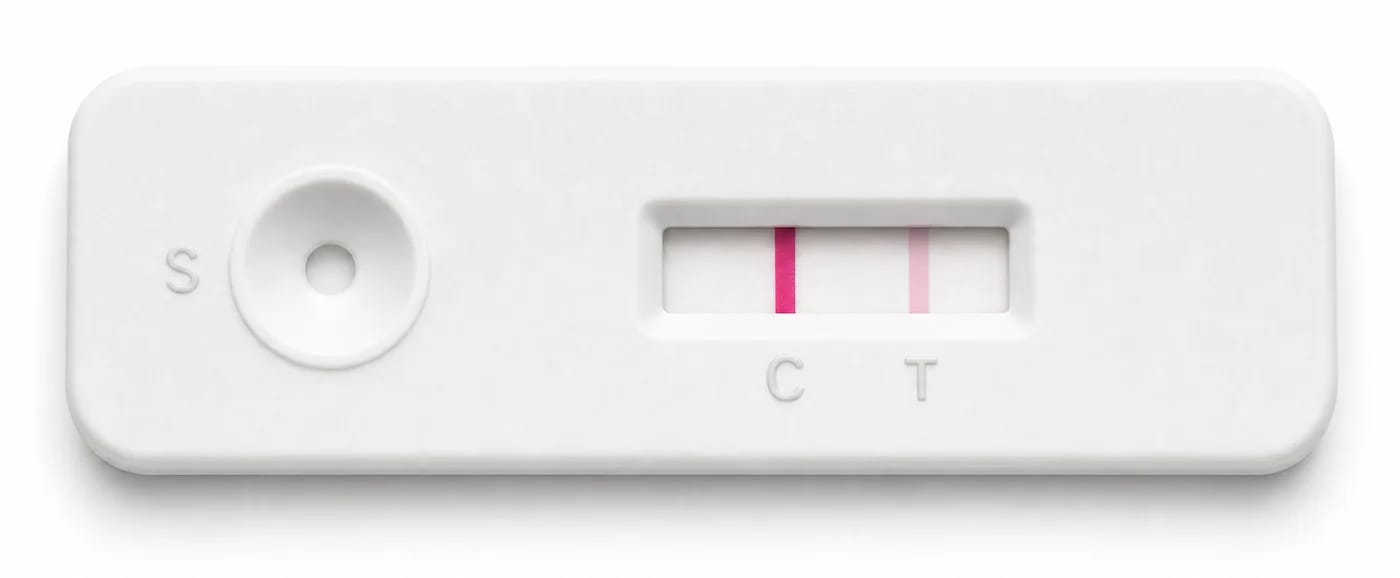
Exploro 3-Level THC Test, 20/50/100 ng/mL, 5 cards
Best for: Seeing progress, not just yes or no
Each card reads three cutoffs at once, so you can watch levels drop from 100 to 50 to 20 ng/mL over days.
Check price on AmazonCommon questions
Can a Connecticut employer rescind a job offer for a positive marijuana test?
It depends. The state portal says an employer may refuse a candidate with a conditional offer if it acts under an established written policy on positive tests that was made available to the candidate. Exempt employers and positions face fewer limits.
Can my Connecticut employer ban off-duty cannabis use?
Exempt employers can. Non-exempt employers may do so only by issuing a policy that prohibits cannabis use, according to the state portal. Qualifying medical patients have separate protection.
Sources
- State of Connecticut cannabis portal: Can a potential employer refuse to hire a prospective employee because of a positive cannabis test? (2023)
- State of Connecticut cannabis portal: Can an employer require an employee to refrain from consuming cannabis during off-duty hours? (2023)
- Wiggin and Dana: What Connecticut Employers Need to Know About the Cannabis Legislation (2021)
- Jackson Lewis: Connecticut Legalizes Recreational Marijuana (2021)
Photo: JESHOOTS.COM / Unsplash
 ClearDay · Coming soon to iPhone · Free
ClearDay tracks your clear date for you.
See how many days since last use, when you are likely to test clear, and log each home test to watch the T line come in.
- Estimates for 20, 50 and 100 ng/mL tests
- Morning test reminders
- Private: your data stays on your phone
Related guides

Can employers drug test for weed in Florida? (Florida marijuana testing law)
Florida employers may test for THC and refuse to hire on a confirmed positive; the medical marijuana law gives patients no wrongful-discharge claim.
Can employers drug test for weed in Texas? (Texas marijuana testing law)
Texas has no law limiting private employer drug testing; employers can test for THC and refuse to hire applicants who test positive, even CUP patients.

Can employers drug test for weed in Massachusetts? (Massachusetts marijuana testing law)
Massachusetts employers may test for THC and restrict use; recreational use is unprotected, but medical patients may have disability-discrimination claims.