
Hair follicle drug test: how far back it goes
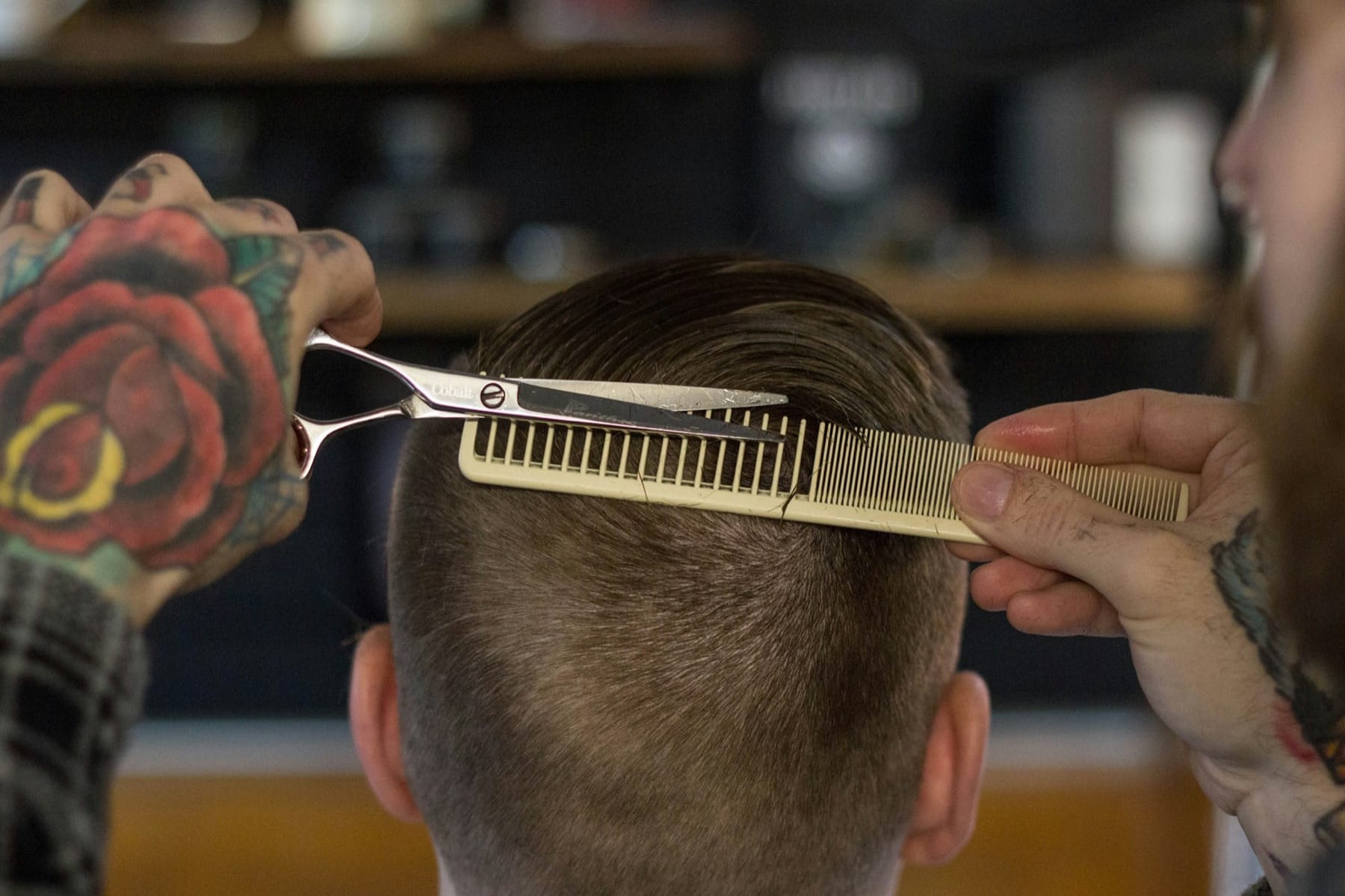
A hair follicle drug test usually looks back about 90 days, because labs test the 1.5 inches of head hair closest to the scalp and hair grows about half an inch a month. Very recent use (roughly the last week) has not grown out yet and usually does not show. THC is harder to detect in hair than other drugs, so light or occasional use is often missed while regular use is more likely to be found.
How it works
Drugs and their metabolites travel in the blood and are trapped in the hair as it grows. The lab cuts about 1.5 inches (3.9 cm) of hair from close to the scalp, washes it to remove surface contamination, and tests it.
| Question | Answer |
|---|---|
| Window | About 90 days for head hair |
| Recent use | Usually not detected for about 7–10 days |
| Body hair | Can be used if head hair is too short; the window may be longer because body hair grows more slowly |
| Typical panel | 5-panel, sometimes with extra drug classes |
THC in hair
THC metabolites bind to hair poorly compared with drugs like cocaine. Studies consistently find hair tests miss a large share of occasional cannabis users, while daily users are detected more reliably.
Who uses hair tests
Some private employers prefer hair because it covers a longer period. DOT-regulated tests do not use hair; federal hair-testing guidelines have been proposed but DOT testing remains urine-based, with oral fluid now also permitted.
Common questions
Can a hair test tell when I used?
Only roughly. Labs test a single 1.5-inch segment by default, which gives an average over about three months, not a date.
Does shaving my head avoid a hair test?
No. The collector can take body hair instead, which often covers a longer period.
Sources
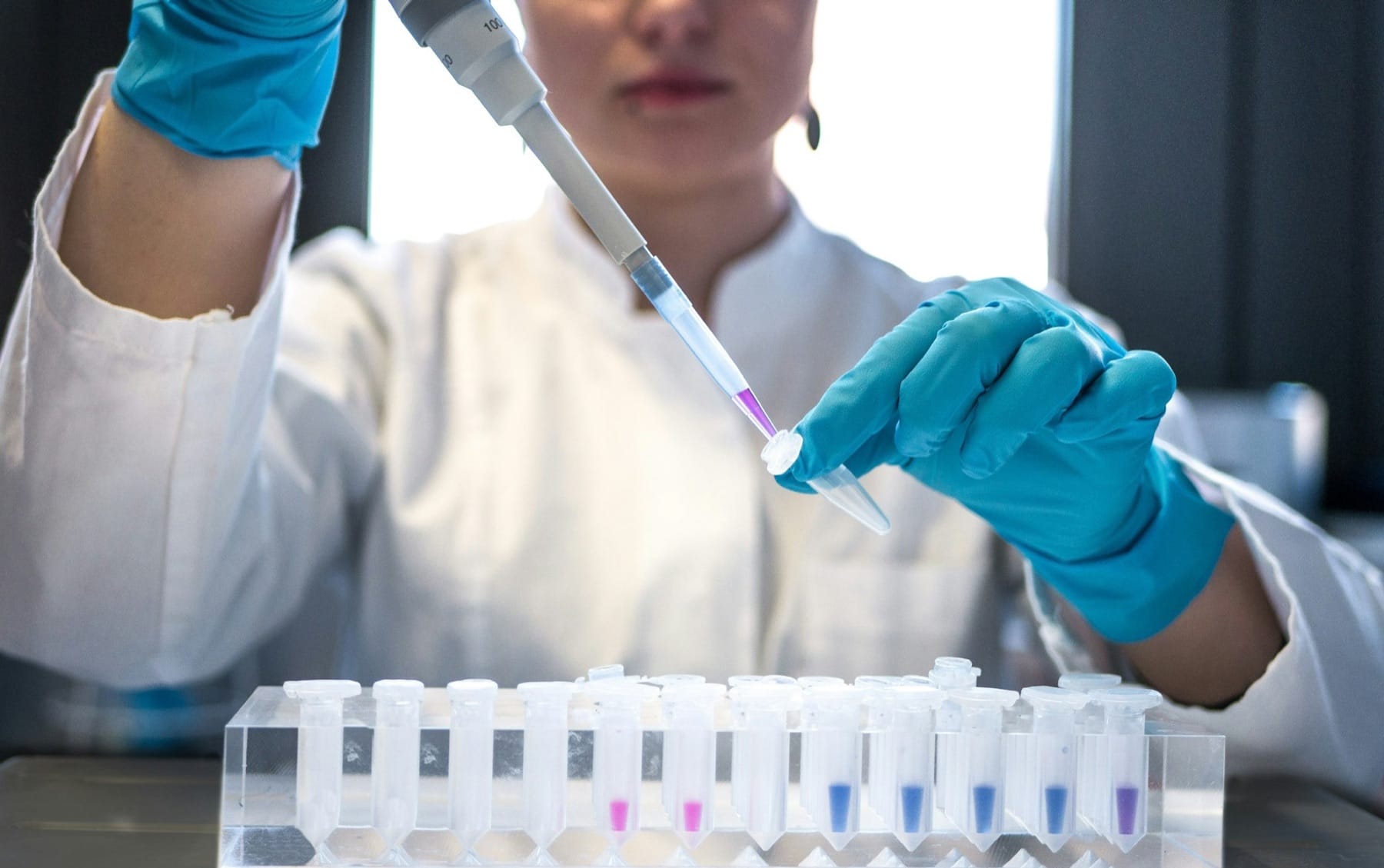
Photo: Jonathan Cooper / Unsplash
 ClearDay · Coming soon to iPhone · Free
ClearDay tracks your clear date for you.
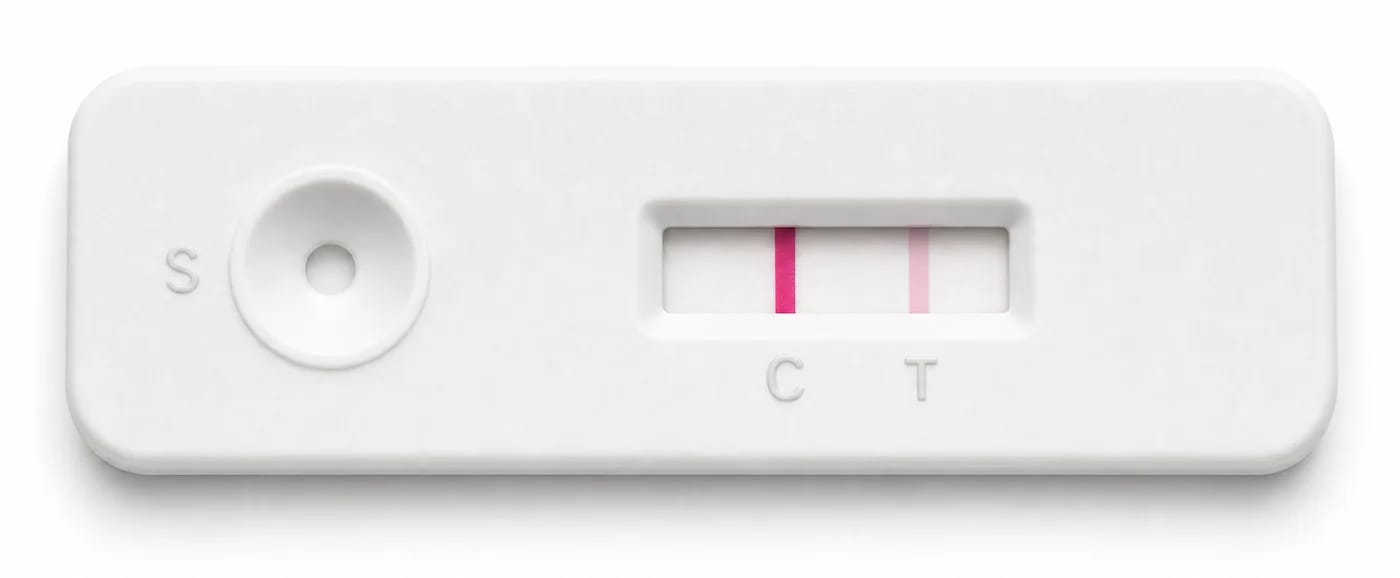
See how many days since last use, when you are likely to test clear, and log each home test to watch the T line come in.
- Estimates for 20, 50 and 100 ng/mL tests
- Morning test reminders
- Private: your data stays on your phone
Related guides
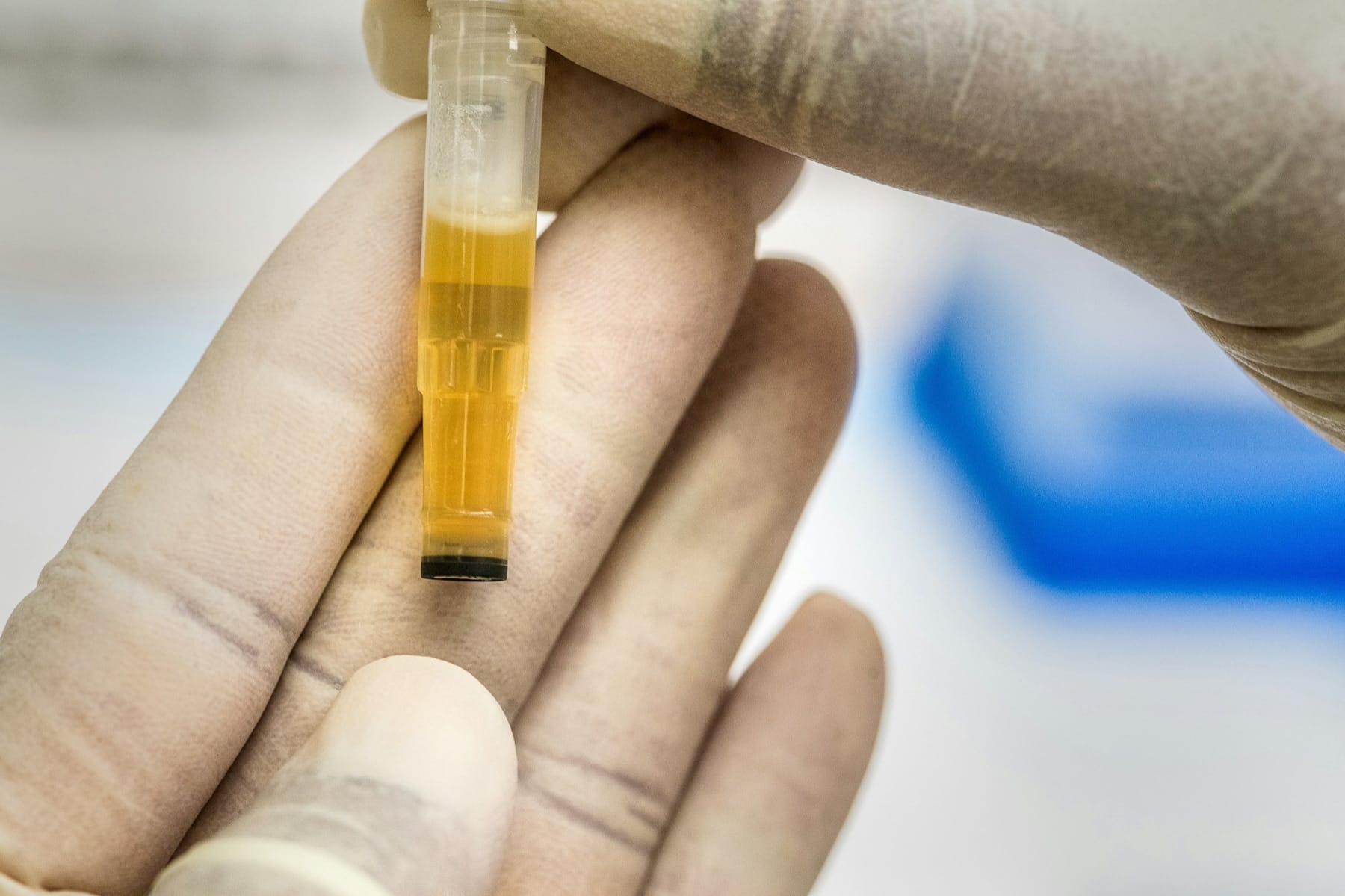
5-panel drug test: what it screens for and the cutoffs
A 5-panel drug test screens for marijuana, cocaine, amphetamines, opioids and PCP. Here are the federal cutoff levels and how the process works.
10-panel drug test: what it looks for
A 10-panel drug test adds benzodiazepines, barbiturates, methadone and more to the standard five. What is usually included and how it differs from a 5-panel.
12-panel drug test: what it includes
What a 12-panel drug test usually screens for, who uses it, and how it compares with 5- and 10-panel tests.