
Shy bladder at a drug test: what happens if you can’t pee
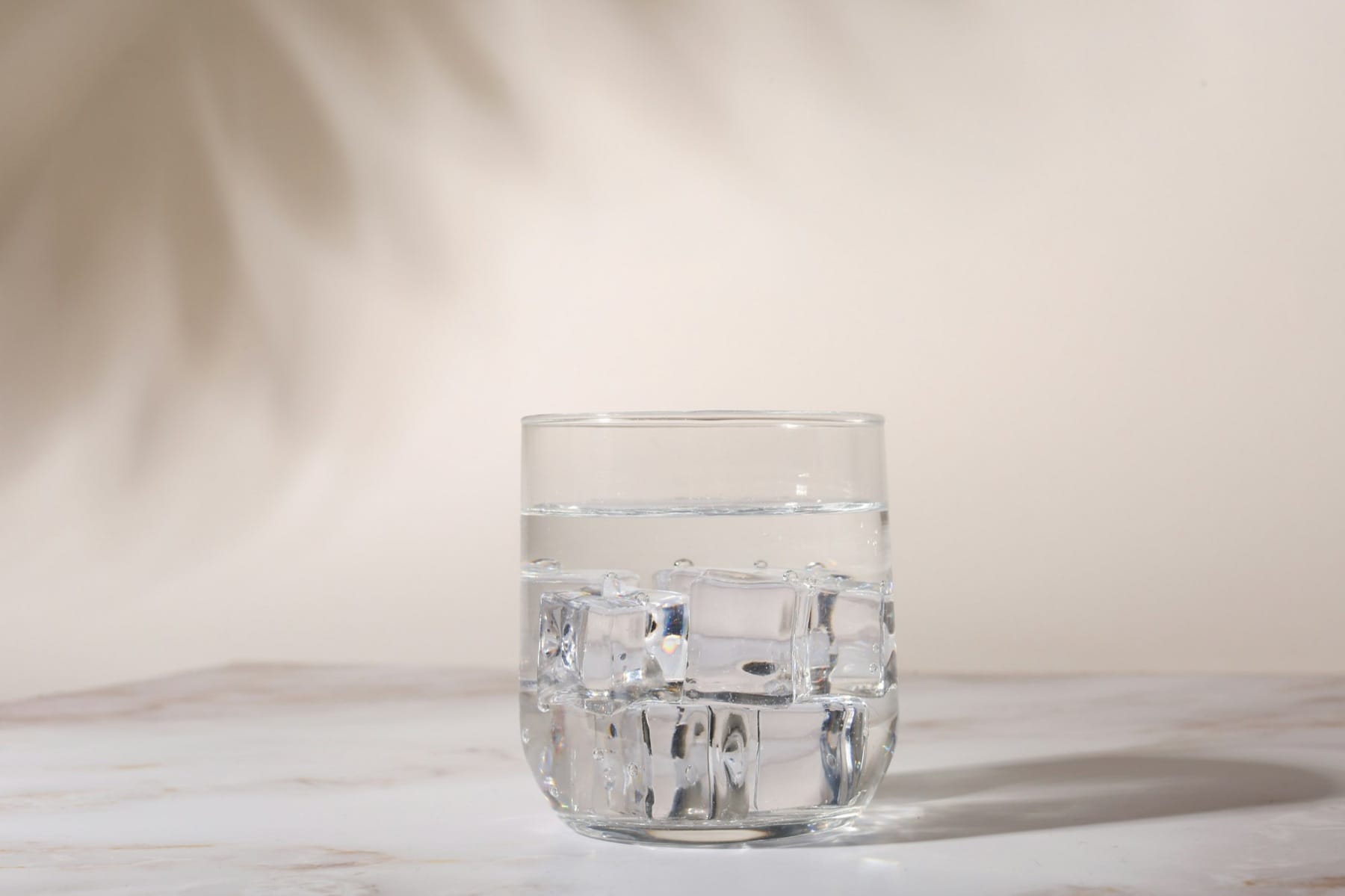
If you cannot provide enough urine (45 mL for DOT tests), the collector starts the shy bladder procedure. Under DOT rules you get up to 3 hours and may drink up to 40 ounces of fluid. If you still cannot provide a sample, a doctor evaluates whether there is a medical reason; without one, it counts as a refusal to test.
DOT shy bladder procedure
| Step | Rule |
|---|---|
| Required volume | 45 mL |
| Time allowed | Up to 3 hours |
| Fluids | Up to 40 oz, spread over the 3 hours |
| Leaving the site | Treated as a refusal |
| Still no sample | Medical evaluation within 5 days |
Medical evaluation
A licensed physician decides whether a medical condition could explain it. A documented condition means the test is cancelled; no medical explanation means a refusal.
Non-DOT employers
Collection sites usually follow similar steps, but the employer policy decides the outcome. Ask before the test if you have a condition that affects urination.
Practical tips
- Do not empty your bladder right before you go.
- Drink normally beforehand, not excessively; too much fluid can make a sample dilute.
Sources
Photo: Giorgio Trovato / Unsplash
 ClearDay · Coming soon to iPhone · Free
ClearDay tracks your clear date for you.
See how many days since last use, when you are likely to test clear, and log each home test to watch the T line come in.
- Estimates for 20, 50 and 100 ng/mL tests
- Morning test reminders
- Private: your data stays on your phone
Related guides
How to read a home drug test (including a faint line)
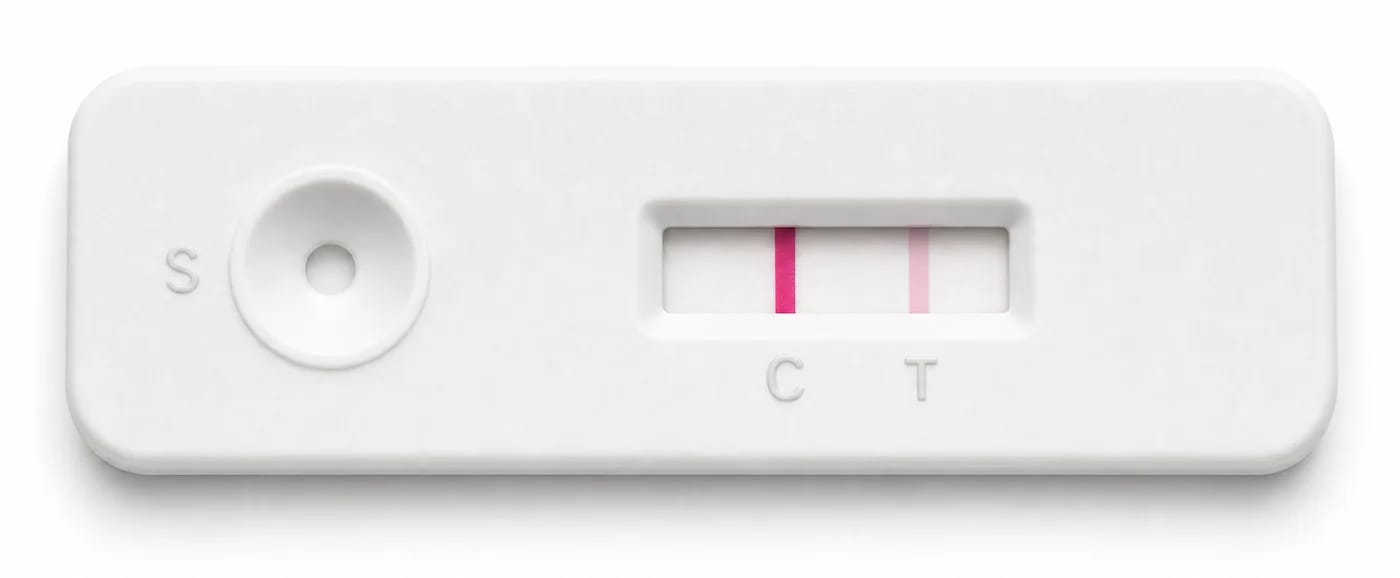
On a home drug test, two lines mean negative and one line means positive. Why a faint line still counts as negative, and when a result is invalid.
Drug test cutoff levels (federal and home tests)
The federal urine drug test cutoff levels for marijuana, cocaine, amphetamines, opioids and PCP, with screening and confirmation values in ng/mL.
Home drug tests: how accurate they are and how to choose one
Home drug tests use the same screening method as labs. How accurate they are, when they disagree with a lab, and which type to buy for your situation.